Memory and learning are intrinsically linked processes that together form the cornerstone of education. While learning involves acquiring new information or skills, memory is the process of storing and retrieving that learned material. The interplay between memory and learning becomes apparent in various educational settings, where the ability to remember information directly impacts a student's capacity to apply knowledge and solve problems. This article delves into the dynamic relationship between memory and learning, exploring its significance, mechanisms, and implications in education.
At its core, learning is an active process of acquiring and construing knowledge through experiences, instruction, or study. Memory, on the other hand, is pivotal in retaining and accessing this acquired knowledge when needed. Efforts to understand how these processes interconnect are crucial, as education often relies on the effectiveness of memory to ensure that learning is meaningful and lasting. Educational theories and pedagogical strategies frequently focus on optimizing these processes to improve learning outcomes.
Memory is typically divided into different types, each contributing uniquely to learning. Sensory memory captures fleeting impressions from the senses, retaining them just long enough to decide if further attention is warranted. If information merits attention, it moves into short-term or working memory, where it is temporarily held for processing. This stage is fundamental to learning, as it involves conscious thought and manipulation of information to foster understanding. Techniques like the chunking of information, where large amounts of data are broken down into smaller, manageable units, can significantly aid in optimizing working memory capacity.
The transition from short-term to long-term memory, where information is stored for extended periods, is critical in solidifying learning. This process often requires encoding strategies, like repetition or association, to enhance the durability of memories. The more connections or associations a piece of information has, the stronger its encoding in long-term memory. Thus, educators often employ methods such as storytelling or practical applications to provide contextual and meaningful links to new information, facilitating better retention.
Retrieval of information from long-term memory is another essential aspect of learning. It allows previously stored knowledge to be accessed and applied in new situations or problems. Effective retrieval requires practice, and learning activities such as testing or quizzing are often used in educational settings to strengthen retrieval pathways. The act of recalling information not only aids in solidifying memory but also in reinforcing and expanding learning through repeated engagement with the material.
The role of attention is paramount in both memory and learning processes. Attention determines which stimuli are important enough to be processed further and facilitates the transition of information from short-term to long-term memory. Classroom strategies aimed at capturing and maintaining students' attention, such as interactive activities or varying instructional mediums, can greatly enhance learning outcomes by ensuring that students remain focused and engaged.
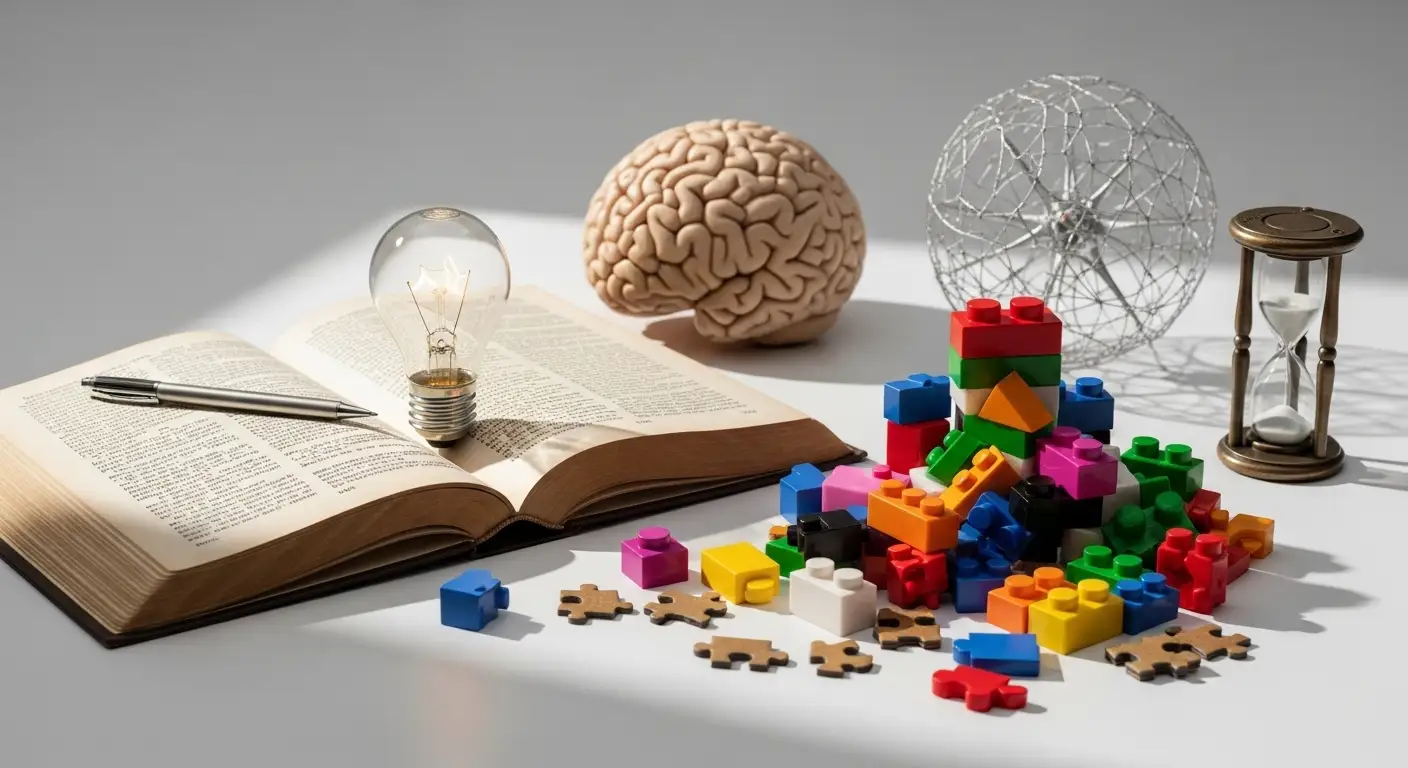
Motivation also plays a crucial part in learning and memory. When students are motivated, either internally or through external incentives, they tend to engage more deeply with the material, which can result in better encoding and retention. Intrinsic motivation—stemming from a genuine interest or personal relevance—often leads to more profound and lasting learning experiences compared to extrinsic motivation, such as grades or rewards.
The limitations of memory also bear consideration in educational contexts. Forgetting, whether due to interference from new information or retrieval failures, is a natural part of the memory process. However, understanding these limitations can drive the development of strategies to mitigate forgetting, such as spaced repetition, where learning is distributed over time rather than massed in a single session. This technique leverages the spacing effect, which suggests that information retained over intervals is more likely to be encoded in long-term memory.
Educational technologies offer innovative ways to harness the relationship between memory and learning. Interactive learning platforms, cognitive tutors, and educational games are designed to engage learners in meaningful activities that foster the connections necessary for memory and apply them in compelling contexts. These tools often incorporate adaptive learning principles, tailoring the learning experience to individual needs, thereby optimizing memory engagement and aiding in the mastery of complex subjects.
Cognitively, metacognition—awareness and control over one's cognitive processes—plays a vital role in learning and memory. When learners are attuned to their learning strategies and memory processes, they are better equipped to regulate their study habits, evaluate their understanding, and make necessary adjustments to enhance their learning. Teaching metacognitive skills in educational settings empowers students to become self-directed learners, who can effectively monitor and adjust their strategies to optimize retention.
While memory is a foundational element of learning, it is crucial to acknowledge the broader context in which learning occurs. Social, emotional, and environmental factors greatly influence memory performance and learning success. Classroom environments that promote positive emotional experiences, provide support and encouragement, and foster a sense of belonging can significantly enhance the overall effectiveness of memory and the learning process.
In conclusion, the complex and intertwined nature of memory and learning necessitates a deep understanding of how these processes interact in educational contexts. By focusing on mechanisms to enhance memory—such as effective encoding strategies, attention management, motivation cultivation, and metacognitive awareness—educators can create more engaging, personalized, and successful learning experiences. The ongoing exploration of memory's role in education continues to unveil new insights, offering promising directions for future educational practices aimed at unlocking the fullest potential of students' learning capabilities.